
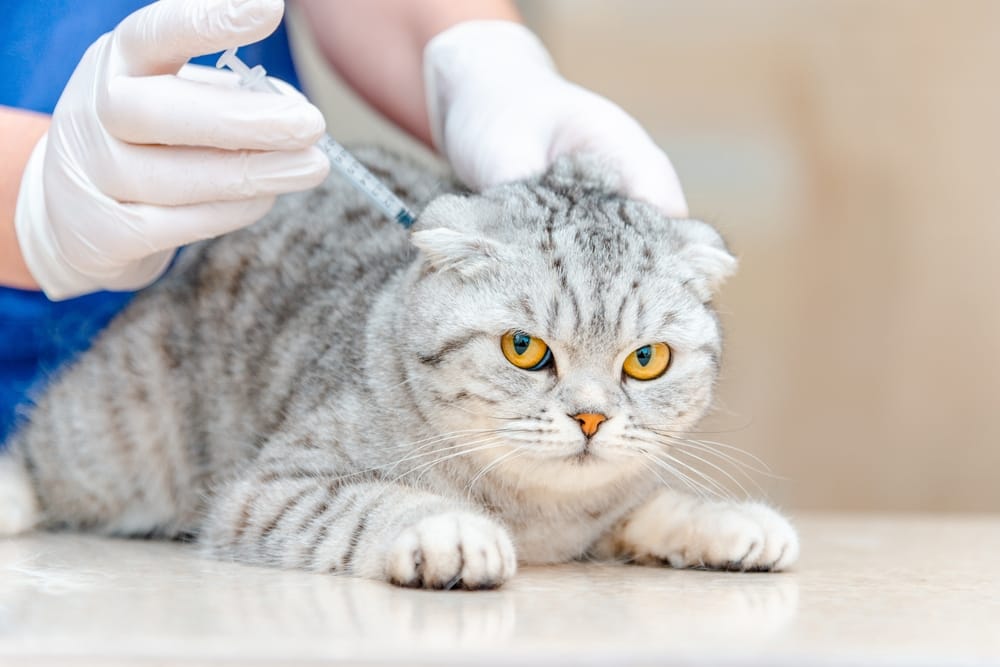
A complete kitten vaccine schedule begins at six to eight weeks of age, the exact window when maternal antibodies from nursing begin to fade. Before that point, your kitten borrows immune protection from their mother’s milk. Once that protection drops, your kitten has no defense against deadly viruses in the environment. Getting the timing right is the most important thing you can do in those early weeks.
Key Takeaways
- FVRCP and rabies vaccines start at six to eight weeks when mother’s antibodies fade.
- Kittens under one year need two FeLV doses due to their higher infection risk.
- Injection site sarcomas make custom vaccine timing more important than standard schedules.
- Lifestyle and environment determine your kitten’s specific vaccine needs from day one.
- Common vaccine questions about timing, legal requirements, and safety signs are answered below.
Core Vaccines: Essential Protection for Young Kittens
Core vaccines protect your kitten against the deadliest feline diseases during their most vulnerable period. These shots begin at six to eight weeks, timed to when natural immunity from nursing starts to disappear.
The FVRCP vaccine combines protection against three major threats in one injection. Feline viral rhinotracheitis, caused by herpes virus, produces painful eye and nasal infections that make it difficult for kittens to eat. Calicivirus attacks the mouth and lungs, creating ulcers that interfere with breathing and feeding. Feline panleukopenia destroys white blood cells and proves fatal in most unvaccinated kittens.
Panleukopenia poses the greatest immediate danger. This virus targets rapidly dividing cells in the bone marrow and intestines. Kittens develop severe vomiting, bloody diarrhea, and life-threatening dehydration within days of exposure. Contaminated environments can harbor the virus for months, and vaccination remains the only reliable protection against it.
Your kitten receives FVRCP shots every three to four weeks from six to sixteen weeks of age. The Journal of the American Animal Hospital Association notes that a series of vaccinations is administered to kittens every 2-4 weeks through 16-18 weeks of age to catch the window when maternal antibodies decline. Missing doses or stretching the intervals too far creates dangerous gaps in protection.
Rabies vaccination becomes legally required between twelve and sixteen weeks of age. State laws mandate this shot because rabies spreads to humans through bites and scratches. The virus attacks the nervous system and is fatal once symptoms appear in both cats and people. Indoor cats still need rabies shots because bats can enter homes, and cats escape outside more often than owners expect. The CDC confirms that contact with infected bats is the leading cause of human rabies deaths, which is why even strictly indoor cats need this vaccine.
Early vet visits cover more than vaccines. Fecal exams identify intestinal parasites like roundworms that pass from mother cats to nursing kittens and steal nutrition needed for healthy growth. Ear mite checks catch infections that cause kittens to scratch until they permanently damage their ear canals.
Blood tests for feline leukemia and FIV establish your kitten’s baseline health status early. These viruses suppress the immune system and reduce vaccine effectiveness. Testing guides your vet in building the safest possible schedule for that specific kitten’s needs.
Why Maternal Antibodies Matter So Much
Kittens born to vaccinated or naturally immune mothers absorb antibodies through nursing in the first day of life. This temporary shield protects them while their own immune systems mature. As it wears off on its own schedule, the vaccine series steps in to fill that gap before it becomes dangerous.
Feline Leukemia Virus Protection for Vulnerable Kittens
Kittens face a much higher risk from feline leukemia virus than adult cats do. Their immune systems are still developing, which makes it harder to fight off the virus before it takes hold.
The 2020 AAHA/AAFP Feline Vaccination Guidelines, published in the Journal of the American Animal Hospital Association, classify FeLV as a core vaccine, recommending FeLV for cats younger than 1 year old as a core vaccine. This is not an optional shot for young cats. Veterinary guidelines treat it as essential as FVRCP and rabies during the first year of life.
Your kitten needs exactly two FeLV shots spaced three to four weeks apart. According to UC Davis School of Veterinary Medicine, two doses of a non-adjuvanted FeLV vaccine are given at a 3- to 4-week interval starting as early as eight weeks of age. Skipping the second dose leaves your kitten without the full immune response the series is designed to build.
FeLV spreads through close contact during normal cat behaviors. Infected cats pass the virus through saliva when they groom each other or share food and water bowls. Biting and scratching also transmit the infection. Mother cats can pass FeLV to kittens during nursing or birth, making early testing critical before vaccination.
The virus attacks the immune system and bone marrow directly. Infected cats develop anemia, cancer, and recurring infections as their bodies lose the ability to produce healthy blood cells. Most cats with persistent FeLV infection do not survive beyond three years of diagnosis.
Indoor kittens still benefit from FeLV vaccination throughout their first year. Many indoor cats escape outside at some point, especially during the high-energy kitten stage. New cats entering the household may carry hidden infections. Even brief contact through a shared litter box or food dish can transmit the virus to an unvaccinated kitten.
Annual FeLV boosters maintain protection after the initial two-dose series. Cats living strictly indoors with no exposure to untested animals may eventually move to a lower-frequency schedule. Your vet makes that call based on your cat’s specific lifestyle and any changes in routine.
Testing Before You Vaccinate
A simple blood test confirms whether your kitten is FeLV-negative before the vaccine series starts. This step matters because the vaccine offers no benefit to a cat already carrying the virus, and it helps your vet plan appropriate care if a positive result comes back.
Understanding Vaccine Side Effects and Safety Considerations
Vaccine planning involves more than picking a schedule off a chart. Cats can develop injection site sarcomas from repeated vaccinations, which makes individualized timing more important than a one-size-fits-all protocol.
The UC Davis School of Veterinary Medicine confirms that there is clear evidence for minimizing frequency of vaccination in cats due to the documented association between certain vaccines and these aggressive tumors. Your vet weighs age, health status, living environment, and exposure risk before finalizing any plan.
Most kittens experience only mild reactions after vaccination. Slight tiredness, reduced appetite, or tenderness at the injection site typically resolve within 24 to 48 hours. These responses show the immune system is processing the vaccine and building protection.
Serious reactions are rare but require immediate attention. Watch for these warning signs after any vaccination:
- Facial swelling or hives
- Trouble breathing
- Vomiting or diarrhea
- Collapse or extreme weakness
These symptoms can become life-threatening within hours. Contact your vet right away if any appear.
Monitor the injection site for several weeks after each visit. The Journal of the American Animal Hospital Association outlines a “3-2-1” rule, advising that a biopsy of any mass present is warranted if it persists three months, grows larger than 2 cm, or increases in size within one month. Photographing changes helps track progression between visits.
Proper vaccine storage and handling are non-negotiable, since the CDC notes that failure to adhere to recommended specifications for storage and handling of immunobiologics can reduce or destroy their potency. Vaccines held at the wrong temperature or past their expiration date may not provide the immunity your kitten needs. An experienced veterinary team removes that risk entirely.
What Counts as a Normal Reaction
Mild lethargy or a small, soft lump that fades within a couple of weeks falls within the range of expected responses. Anything firm, growing, or still present after a month deserves a follow-up exam rather than a wait-and-see approach.
Protecting Your Kitten Through Personalized Vaccination Planning
No two kittens share the same risk profile, and no single vaccination plan works for every cat. Indoor kittens, outdoor kittens, and kittens in multi-cat homes face different exposure levels that shape which vaccines matter most.
Non-core vaccines address risks specific to your kitten’s environment. Chlamydophila felis vaccination protects kittens in crowded settings like shelters or catteries where bacterial infections spread quickly. Bordetella vaccination helps cats in boarding facilities or high-stress situations where respiratory infections move through the air.
Your kitten’s vaccination history belongs in their permanent medical records from day one. That documentation proves vaccine status for boarding, grooming appointments, and all future veterinary care. Future vets rely on accurate records to build the right booster schedule.
The Journal of the American Animal Hospital Association is direct on this point, stating that one vaccination plan or protocol cannot be applied to every cat. Sick kittens may need delayed vaccination until they recover. Kittens with unknown backgrounds may need modified schedules based on their estimated age and prior care.
Geographic location plays a role too. Some regions carry higher rates of specific infections that change the priority order for certain vaccines. Urban and rural environments present different challenges, and your vet factors local disease patterns into every recommendation.
Flea and tick prevention rounds out the early protection plan alongside vaccines. Parasites can hitch a ride indoors on clothing and other pets. Regular deworming addresses intestinal parasites common in young cats, and proper nutrition supports the immune system through the entire vaccination period.
Many clinics offer vaccination packages or wellness plans that spread costs over the first year. Vaccines require upfront investment, but they prevent far more expensive treatment of serious illness down the road. Pet insurance may also cover part of the cost depending on the plan.
Building Your Kitten’s Plan With Your Vet
Bring up lifestyle changes at every annual visit, even small ones like a new pet joining the household. Your vet uses that updated picture to adjust the schedule rather than applying the same protocol year after year.
Give Your Kitten the Best Shot at a Healthy Life
A complete kitten vaccine schedule builds the foundation your cat needs for a long, healthy life. The right combination of core vaccines, individualized risk assessment, and careful timing creates lasting protection while avoiding unnecessary exposure. As the Journal of the American Animal Hospital Association puts it, vaccination of cats should be patient-specific and guided by an individual risk-benefit assessment. Getting that assessment right from the start protects your kitten and the cats around them. Ready to map out your kitten’s vaccine schedule? Schedule a kitten vaccination visit with our team today.
FAQs
What shots do kittens need?
Kittens need three core vaccines: FVRCP (protecting against rhinotracheitis, calicivirus, and panleukopenia), rabies, and feline leukemia (FeLV). Non-core options like Chlamydophila felis or Bordetella may apply depending on lifestyle and exposure risk. Your vet builds the exact combination around your kitten’s age, environment, and health history at each visit.
How much are kitten shots?
Kitten vaccine costs vary by clinic, location, and which non-core vaccines apply, but most owners budget a few hundred dollars for the full first-year series. Bundled wellness packages often combine vaccines with exams to lower per-visit costs. Ask your vet for a breakdown specific to your kitten’s needs.
When do kittens get their first shots?
Kittens typically get their first round of vaccines between six and eight weeks old, once maternal antibodies from nursing start to fade. This kicks off a series spaced three to four weeks apart through about sixteen weeks. Starting on time closes the protection gap before exposure risk increases.
What vaccine reactions should worry me?
Mild reactions like tiredness, reduced appetite, or injection site soreness are normal and resolve within 48 hours. Serious reactions requiring immediate veterinary care include facial swelling, difficulty breathing, vomiting, diarrhea, or collapse. Contact your vet right away if any of those signs appear.
Why do kittens need feline leukemia shots if they stay inside?
Kittens under one year have less developed immune systems and are more susceptible than adult cats. The Journal of the American Animal Hospital Association confirms that vaccination is most likely to be useful in kittens and young adult cats because acquired resistance develops beyond 16 weeks. Even indoor kittens may encounter infected cats through new household introductions or brief outdoor escapes.
Sources
- https://www.aaha.org/wp-content/uploads/globalassets/02-guidelines/feline-vaccination-guidlines/resource-center/2020-aahaa-afp-feline-vaccination-guidelines.pdf
- https://healthtopics.vetmed.ucdavis.edu/health-topics/feline/vaccination-guidelines-dogs-and-cats
- https://www.cdc.gov/rabies/about/index.html
- https://www.cdc.gov/vaccines/hcp/imz-best-practices/storage-handling-immunobiologics.html
