
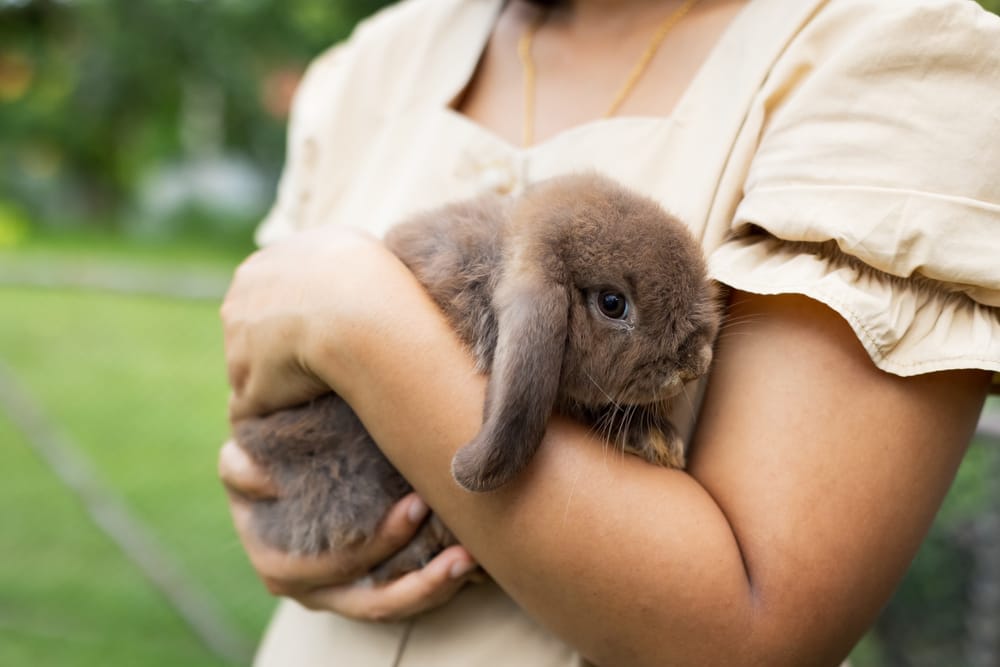
Small mammals like rabbits and guinea pigs need veterinary care that goes well beyond a routine cat or dog visit. Their biology and stress responses differ significantly from more familiar pets. Most general veterinary training barely covers these species. Owners often find this out only after a problem has already progressed.
Rabbits and guinea pigs are popular first pets, but their care needs are frequently underestimated. This guide covers three areas where owners run into trouble most often. Those areas are housing and diet, preventive veterinary care, and recognizing illness before it becomes an emergency. Each section offers practical guidance you can use right away.
Key Takeaways
- Guinea pigs cannot make their own vitamin C, and rabbits need constant hay access to keep their teeth worn down properly.
- Both species need far more cage space than most pet store setups provide.
- These animals need a veterinarian trained specifically in exotic pet care, not one who occasionally sees them.
- Prey instincts make illness hard to spot, so subtle changes deserve fast attention.
- Routine checkups and daily observation catch problems long before they become emergencies.
Housing and Diet: Setting Up Your Small Mammal for Success
Guinea pigs and rabbits rank among the most popular small pets in the country. Their care requirements are widely misunderstood. Guinea pigs, scientifically known as Cavia porcellus, originated in South America. British sailors brought them to Europe in the 16th century. Both species have needs that go well beyond what a pet store setup or basic pet food can provide, and it’s NOT an adequate guinea pig diet according to Purdue University College of Veterinary Medicine. The sections below cover diet and housing, the two areas owners ask about most.
Diet Quality Matters More Than Most Owners Realize
A guinea pig diet must include a daily source of vitamin C. These animals cannot produce it on their own. This requirement sets them apart from most other small pets. Fresh greens like romaine lettuce, bell pepper, and parsley supply this nutrient naturally, and owners should offer them daily. Without enough vitamin C, guinea pigs develop scurvy, which causes joint pain, lethargy, and a rough coat.
Rabbits have different but equally specific dietary needs. Timothy hay and other grass hay varieties should make up the majority of a rabbit’s daily intake. Hay keeps the digestive system moving and wears down teeth that grow continuously throughout a rabbit’s life. A rabbit pellet mix can round out the diet, but hay remains the foundation. Pellets should never replace it.
For both species, a balanced diet means prioritizing hay and fresh greens over processed pet food. Many pet store products are high in sugar and low in fiber. That combination causes digestive problems over time. Diet quality is one of the most controllable factors in a pet’s long-term health.
It also helps to know that a guinea pig diet differs from a typical rodent diet. Their vitamin C requirement alone sets them apart from hamsters, gerbils, and rats. Seed mixes marketed as complete diets tend to be nutritionally incomplete, so reading labels carefully before buying pays off.
Small Mammal Habitats: Space, Bedding, and Litter Training
Cage size is one of the most common housing mistakes new owners make. Rabbits and guinea pigs need far more room than the enclosures typically marketed for them. Provide the largest space possible, with enough room to run, stretch, and move around freely.
Wire floors are a hazard for both species. They put pressure on the feet and can cause sore hocks in rabbits. Solid flooring with appropriate bedding material is the safer choice. Avoid cedar and pine shavings entirely. The aromatic oils in these wood shavings irritate small animals’ respiratory systems. Paper-based or aspen bedding options are safer alternatives.
Placing a litter box in a corner of the enclosure makes cleaning easier and keeps the space more sanitary. Rabbits in particular take to litter training with consistency and a bit of patience.
Social interaction matters just as much as physical setup. Guinea pigs are highly social animals and do best in pairs or small groups. Rabbits can live alone but still benefit from regular human contact and daily enrichment. Meeting a pet’s behavioral needs matters as much as meeting their physical ones.
Veterinary Care and Preventive Health for Exotic Companion Mammals
Exotic companion mammals like rabbits and guinea pigs need veterinary care suited to their unique biology. Regular checkups matter for every species, since a physical exam performed by a veterinarian at least yearly helps catch problems while they’re still manageable, notes Colorado State University. Finding a provider trained in small mammal care remains one of the most important decisions an owner will make.
Routine checkups are the backbone of preventive health for these species. Many conditions treatable when caught early become life-threatening when ignored. Annual visits, and more frequent ones for older pets, give a veterinarian the chance to catch problems before they escalate.
What Preventive Procedures Look Like for Small Mammals
Most problems become far easier to treat when they’re caught early. That’s why a consistent preventive schedule matters so much. Here’s what a typical visit often includes:
- Dental exams are a routine part of wellness care, since both species have teeth that grow throughout their lives. Misalignment or overgrowth can make eating painful or impossible, and spurs sometimes require dental surgery.
- Spaying and neutering are strongly recommended for rabbits. Unspayed females have a high rate of uterine cancer as they age. The procedure can also reduce territorial and behavioral problems in both sexes.
- Nail trimming is easy to overlook but genuinely important. Overgrown nails can curl into the footpad or cause a pet to walk abnormally. It’s a simple procedure that prevents real discomfort over time.
- Fecal tests detect intestinal parasites that may not cause obvious symptoms. An in-house laboratory allows these tests to run quickly and accurately, often the same day.
- Rabbit hemorrhagic disease is a serious viral illness spreading in parts of the United States. It’s highly contagious among rabbits, and the disease causes death in 50 to 100 percent of cases, USDA APHIS reports. Ask a veterinarian about current risk levels in the area and whether vaccination is available.
Practices that offer exotic pet care often have staff trained specifically in handling small animals. This matters because stress during a visit can itself cause health problems in these pets. Fear-free handling isn’t just about comfort. It’s part of good animal health care overall.
Signs of Illness Every Small Mammal Owner Should Recognize
Rabbits and guinea pigs are prey species. They’re hardwired to hide signs of illness, since showing weakness in the wild invites predation. In a home setting, that same instinct means a pet may appear normal until a condition has progressed significantly. By the time a rabbit or guinea pig looks obviously sick, the situation is often already serious, since prey animals hide signs that they are in pain, as University of Minnesota Libraries Publishing explains.
Signs My Exotic Mammal Is Sick
The list below covers the warning signs owners are most likely to miss. Watch out for:
- Changes in eating and drinking are often the first clue. A pet that stops eating, even for a few hours, needs prompt attention.
- Gastrointestinal stasis, where a rabbit’s digestive system slows or stops, is painful, progresses quickly, and needs immediate care.
- Respiratory infections show up as labored breathing, nasal discharge, sneezing, or clicking sounds. Small animals have sensitive respiratory systems, so these symptoms deserve a same-day call rather than a wait-and-see approach.
- Digestive issues may appear as changes in stool output, size, or consistency. A pet that stops producing droppings, or produces small or misshapen ones, may have a gut motility problem developing.
- Skin and fur problems are worth checking for daily. Patchy fur loss, scratching, or visible sores may point to external parasites or fungal infections. Fly strike happens when flies lay eggs on skin and larvae cause tissue damage. This is a serious risk for rabbits kept outdoors.
- Trauma from a fall or rough handling can cause internal damage that isn’t visible right away. A veterinary evaluation is worth getting even if the pet seems to move normally afterward.
- Behavioral changes are often the earliest warning sign. Watch for a normally social guinea pig that hides, a rabbit that stops grooming, or sudden lethargy and aggression. Any of these calls for a vet visit soon.
Don’t wait if any of these signs appear. Many practices accept emergency appointments during business hours for pets who need prompt attention.
Are your small mammals getting the care they deserve?
Caring for small mammals means paying attention to details that many general pet care guides overlook entirely. Diet, housing, dental health, and the instinct to hide illness all require closer attention than most owners expect. A dog or cat rarely demands this much specialized care.
Routine visits with an exotic-trained veterinarian, not just any clinic, catch problems early enough to treat them well. These animals depend entirely on attentive owners to notice problems they’re built to hide. Ready to give your rabbit or guinea pig the specialized attention they need? Explore our small mammal services to see how we can help.
FAQs
Do rabbits and guinea pigs need annual vet visits even if they seem fine?
Yes. Prey animals hide illness instinctively, so a pet that appears healthy may already have a developing health problem. Annual veterinary checkups catch issues before symptoms appear. Older rabbits and guinea pigs benefit from more frequent visits, since age-related conditions like dental disease tend to progress quickly.
Can guinea pigs and rabbits live together in the same enclosure?
No. Rabbits can injure guinea pigs unintentionally, even without aggressive intent. They also have different dietary needs, which makes shared feeding difficult. Guinea pigs do best housed with other guinea pigs. Each species has social needs that are best met within their own kind.
Do small mammals like rabbits need vaccinations?
Rabbits in the United States may benefit from vaccination against rabbit hemorrhagic disease, depending on regional risk. Guinea pigs don’t require routine vaccinations. Questions about a tetanus shot or other vaccines should go to a veterinarian with experience in exotic pets, since recommendations vary by location and species.
What should I do if I find a sick or injured wild rabbit?
Contact your local animal control agency. They can direct you to a licensed wildlife rehabilitator. Wild rabbits have different needs and legal protections than domestic pets, and attempting to care for one at home can do more harm than good.
How much does veterinary care for a rabbit or guinea pig typically cost?
Routine visits usually cost less than emergency care, since catching problems early keeps treatment simpler. Wellness exams, dental checks, and preventive testing are the most affordable way to protect a pet’s health. Our team can walk you through what to expect based on your pet’s specific needs.
Sources
- https://vet.purdue.edu/hospital/small-animal/articles/care-of-guinea-pigs.php
- https://newsmediarelations.colostate.edu/2015/02/23/pet-health-screening-tests-uncover-hidden-conditions-early/
- https://open.lib.umn.edu/bunnybellies/chapter/bunny-tell-me-whats-wrong-2/
- https://www.aphis.usda.gov/livestock-poultry-disease/rabbit-hemorrhagic
