
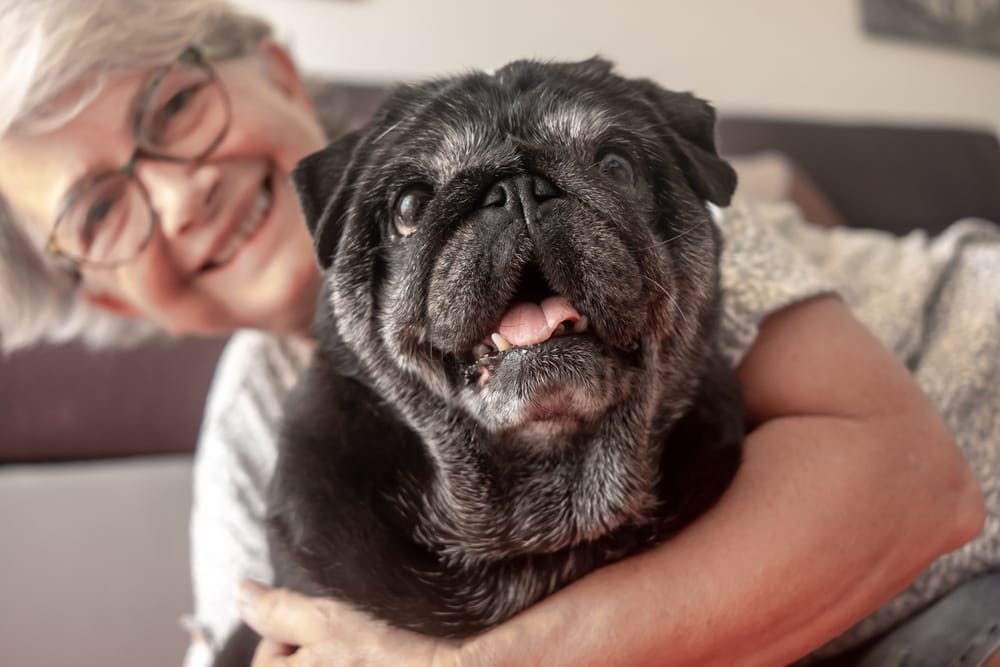
A pet health checkup takes on new meaning once your companion turns seven. This birthday signals the start of their senior phase. Body systems shift in ways that call for different care approaches.
Exam frequency, dietary needs, and screening methods all change during these years. Staying ahead of these shifts protects your pet’s comfort and quality of life. Knowing what to expect helps you provide the right support at the right time.
Key Takeaways
- After age seven, pets need twice-yearly wellness exams and complete health monitoring to catch age-related conditions early.
- Senior dogs and cats face higher risks of osteoarthritis, kidney disease, dental disease, heart disease, diabetes, and cognitive dysfunction syndrome.
- Nutritional needs shift as metabolism slows, requiring specialized senior diets with adjusted protein and fat content, plus joint-supporting nutrients.
- Treatment combines prescription diets, pain management, environmental modifications, and mental stimulation to maintain quality of life.
- Common questions about senior pet health changes help owners navigate this important life stage.
[IMAGE PLACEMENT intent=”veterinarian performing wellness exam on senior pet” type=”section” avoid=”surgery, needles, blood draws, distressed animals, operating rooms”]
Understanding the Aging Process and Common Health Conditions
Dogs and cats entering their seventh year go through metabolic shifts affecting organ function, immune response, and cellular repair. These changes happen gradually but call for more veterinary attention. Without monitoring, minor issues can quickly become serious health problems.
Senior pets need to see a veterinarian twice a year or more instead of annual visits, per the American Veterinary Medical Association. More frequent exams let veterinarians catch conditions through blood work, physical exams, and diagnostic screening. Many age-related diseases stay hidden for months before showing any symptoms.
The American Animal Hospital Association identifies osteoarthritis as one of the most diagnosed conditions in senior pets as cartilage breaks down over time. Joint pain limits mobility, though many pets hide their discomfort. They may avoid stairs, hesitate before jumping, or sleep more than usual.
Reduced activity causes muscle weakness, putting extra stress on painful joints. Weight gain compounds the issue by putting more pressure on damaged cartilage. Early pain management with proper exercise routines slows progression and helps maintain mobility.
Kidney disease affects many senior pets but rarely shows symptoms until major damage occurs. As kidney function drops, pets drink more water and urinate more often. These signs typically appear only after most kidney capacity has already declined.
Blood work reveals kidney problems through elevated waste levels and changes in protein. Thyroid Function Test (T4) catches hormonal imbalances affecting metabolism and energy. Regular screening builds baselines and tracks shifts over time.
Dental disease becomes a growing concern with age. Periodontal disease affects most senior dogs and cats, causing far more than bad breath. Bacteria from infected gums enter the bloodstream, potentially damaging the heart, kidneys, and liver. Regular dental cleanings protect older pets from serious complications.
Heart disease also increases during the senior years. Cardiac Peptide Screening identifies problems before symptoms appear. Diabetes develops more often in overweight seniors, requiring careful monitoring and dietary management to maintain stable blood sugar levels.
Chronic conditions frequently overlap in aging pets. Hip dysplasia may worsen arthritis, while kidney or liver disease can complicate diabetes. The thymus gland shrinks with age, weakening immune defenses and making older pets more vulnerable to infection.
Managing Cognitive Dysfunction Syndrome and Quality of Life
Cognitive dysfunction syndrome affects a large portion of senior dogs and older cats. This condition mirrors Alzheimer’s disease in humans. It causes disorientation, memory loss, and behavioral changes that distress both pets and families. Affected pets may forget house training or feel anxious in once-familiar situations.
The condition progresses through recognizable stages. Early signs include altered greeting patterns or confusion about meal times. As it advances, pets may stare at walls, get lost at home, or struggle with severe sleep disturbances. Some become more clingy while others withdraw from activities they once enjoyed.
Cognitive decline often occurs alongside other medical conditions. Research published in Animals found that dogs with greater cognitive dysfunction show more signs associated with musculoskeletal and neurological problems. Pain from arthritis can worsen cognitive symptoms by disrupting sleep and raising stress. Coordinated treatment helps manage these layered conditions.
Larger breeds tend to show symptoms earlier because of faster aging. Cat owners notice different patterns, with feline cognitive dysfunction often appearing as litter box changes or more vocalization. Sundowner syndrome causes confusion and restlessness to spike during evening hours, affecting the entire household.
Physical therapy options like laser therapy help manage pain while improving mobility in senior pets. These treatments reduce joint and soft tissue inflammation, supporting both physical and mental health. Water treadmills provide low-impact exercise that builds muscle without stressing joints.
Environmental modifications make a real difference for affected pets. Orthopedic beds reduce morning stiffness and improve sleep quality. Non-slip rugs prevent falls on smooth surfaces. Night lights ease evening disorientation, and keeping food bowls in consistent spots reduces daily confusion.
Mental stimulation plays a key role in slowing decline. Puzzle feeders turn mealtime into brain exercise. Interactive toys offer challenges matched to ability level. Simple activities like hiding treats or modified training sessions keep aging pets mentally sharp while respecting physical limits.
Senior Pet Nutrition and Dietary Requirements
Nutritional needs grow more complex as metabolism slows in senior pets. Older animals need fewer calories but absorb nutrients less efficiently. Specialized diets provide the right balance of concentrated nutrition and calorie control to prevent weight-related complications.
Reduced stomach acid can interfere with protein digestion as pets age. Changes in intestinal function may decrease vitamin and mineral absorption. Senior-formula foods address these issues with easily digestible ingredients and enhanced nutrient profiles.
Weight management is critical at this life stage. Excess weight worsens arthritis and raises diabetes risk. Even small amounts of gain can affect joint comfort and mobility. Rapid weight loss, however, may signal an underlying health problem rather than a dietary success.
Prescription diets for senior pets offer a lower-calorie, high-fiber diet to prevent weight gain while maintaining adequate protein, as the American Animal Hospital Association recommends. These diets address specific health concerns and help prevent age-related muscle wasting in less active pets.
Omega-3 fatty acids reduce joint inflammation while supporting cognitive function and coat health. Glucosamine and chondroitin sulfate promote cartilage health and joint function. These supplements work best alongside proper exercise and weight control.
Protein needs vary by overall health status. Healthy senior pets need high-quality, digestible proteins for muscle mass and immune support. Pets with kidney disease may require protein restriction. Working with your veterinarian ensures the right diet for individual needs.
Smaller, more frequent meals help with digestion and blood sugar management. Softer foods may benefit pets with dental issues or decreased appetite. Elevated bowls reduce neck and joint strain during meals, making eating more comfortable for arthritic pets.
Breed size also influences nutritional timing. A seven-year-old Great Dane ages differently than a Chihuahua of the same age. Large breeds often benefit from switching to senior nutrition earlier, while smaller breeds may stay on adult formulas longer.
Preventive Care and Health Monitoring
Senior wellness exams form the foundation of preventive care for aging pets. Twice-yearly visits let veterinarians track subtle changes and catch developing problems early. Age-related conditions can progress rapidly once they begin.
Diagnostic testing typically includes complete blood work assessing kidney and liver function. These tests detect problems months before clinical signs appear. Abdominal ultrasound evaluates internal organs that physical exams alone cannot fully assess, catching tumors or structural changes early.
Cognitive Function Assessment helps veterinarians separate normal aging from pathological decline. Standardized questionnaires and behavioral observations track cognitive changes over time. Early identification of decline allows for timely treatment adjustments that improve quality of life.
Vaccine schedules may need adjustment for senior pets. Frequency and types of vaccines can change based on health status and lifestyle. Pets with weakened immune systems may need modified protocols for safety.
Dental hygiene grows even more critical with age. Dental problems have a sizable impact on overall health, highlights the Virginia-Maryland College of Veterinary Medicine. Professional cleanings may require extra pre-anesthetic testing for older patients.
Blood pressure monitoring catches hypertension linked to kidney disease or heart conditions. Untreated high blood pressure leads to organ damage. Senior pets benefit from regular body condition and mobility assessments as they move through later life stages.
Environmental Modifications and Comfort Measures
A few thoughtful changes around the home help senior pets stay independent and comfortable. These adjustments address both physical limitations and cognitive changes.
Orthopedic beds distribute weight evenly and reduce pressure on sore joints. Better sleep support improves overall comfort and energy levels throughout the day.
Non-slip surfaces prevent dangerous falls. Area rugs with grip backing, stair strips, and textured mats near food bowls add traction. These surfaces protect pets with balance issues or fragile bones.
Night lights in hallways reduce disorientation during late-night restlessness. Ramps or pet steps help older animals reach favorite spots without jumping or straining their joints.
Temperature regulation matters more for aging pets who struggle to maintain body heat. Heated beds for cold weather and cooling mats for summer help them stay comfortable year-round. Consistent indoor temperatures reduce stress on older bodies.
For senior cats, lower litter box sides and multiple boxes on different home levels prevent mobility-related accidents.
This Pet Health Checkup Could Change Your Senior Pet’s Life
A regular pet health checkup gives your senior companion the best chance at a long, comfortable life. Understanding changes in nutrition, mobility, and cognition helps you stay ahead of problems. Your veterinary team can catch developing conditions before they progress.
Twice-yearly exams, targeted diagnostics, and adjusted diets form the backbone of quality senior care. Environmental modifications and mental stimulation round out the approach. Together, these strategies keep aging pets engaged and comfortable during their golden years.
Early detection remains the biggest factor in managing chronic conditions. Small changes in behavior, appetite, or energy level often signal developing issues. Sharing these observations with your veterinarian gives them what they need to act quickly and keep your pet comfortable.
For guidance on managing your senior pet’s changing health needs, schedule a senior wellness visit.
FAQs
How often should I take my senior pet to the veterinarian?
Senior pets should visit the veterinarian twice yearly instead of annual visits recommended for younger animals. This increased frequency allows for better monitoring of age-related health changes and early detection of chronic conditions that commonly develop in older pets.
What are the first signs of cognitive dysfunction in senior pets?
Early signs include disorientation in familiar environments, changes in sleep patterns, house soiling accidents, and increased anxiety or confusion. These symptoms often develop gradually and may initially be mistaken for normal aging behaviors.
Should I change my senior pet’s diet?
Most senior pets benefit from specialized diets designed for their changing nutritional needs. These diets typically have adjusted protein and fat levels, plus joint-supporting nutrients like omega-3 fatty acids and glucosamine to address age-related health concerns.
What can I do at home to help my senior pet with arthritis?
Provide orthopedic beds for better joint support, use non-slip rugs to prevent falls, maintain a healthy weight through proper diet and exercise, and consider puzzle feeders for mental stimulation. Environmental modifications can significantly improve comfort and mobility.
When should I consider end-of-life care for my senior pet?
This decision depends on your pet’s quality of life, including their ability to eat, drink, move comfortably, and engage in activities they enjoy. Work closely with your veterinarian to assess your pet’s condition and discuss options for maintaining comfort and dignity.
Sources
- American Veterinary Medical Association: https://www.avma.org/resources-tools/pet-owners/petcare/senior-pets
- American Animal Hospital Association: https://www.aaha.org/resources/supporting-your-senior-pet-veterinary-care-recommendations/
- Animals (PMC): https://pmc.ncbi.nlm.nih.gov/articles/PMC10340034/
- Virginia-Maryland College of Veterinary Medicine: https://vetmed.vt.edu/news/2023/senior-pets.html
