
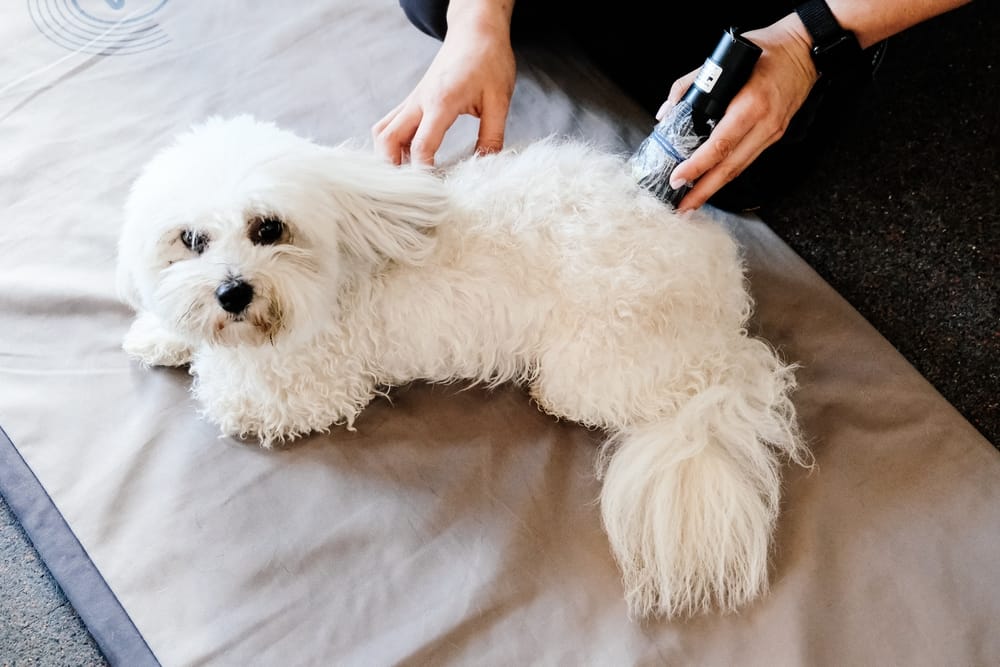
Canine laser treatment delivers infrared light energy directly into damaged tissue, triggering cellular repair processes that reduce pain and accelerate healing from the inside out. This drug-free treatment works through your dog’s own biology, with no sedation required and no pharmaceutical side effects.
Key Takeaways
- Infrared light penetrates damaged tissue to boost ATP production and activate cellular repair at the mitochondrial level.
- Dogs with hip dysplasia, disc disease, and soft tissue injuries show improved mobility after consistent laser treatment.
- Surgical wounds and chronic skin conditions heal faster when laser therapy supports the natural wound closure process.
- Treatment sessions last 5-15 minutes without sedation and address conditions from hot spots to post-surgical recovery.
- About 20% of veterinary hospitals in North America now use laser therapy as part of their standard treatment protocols.
How Infrared Light Energy Triggers Cellular Healing
Laser therapy works at the cellular level, which is why its effects go beyond temporary symptom relief. The light energy targets the root of tissue damage rather than masking the pain signal.
How the Light Reaches Damaged Cells
The laser device delivers precise infrared wavelengths through a handheld probe placed directly on your dog’s skin. These light waves penetrate tissue layers to reach damaged cells beneath the surface. A review published in PubMed confirms it promotes healing for a variety of tissue types. The energy absorption happens at the mitochondrial level, where cells produce their power.
Inside each cell, the infrared light energy activates mitochondria, the structures responsible for cellular energy production. This process, known as oxidative phosphorylation, ramps up ATP production. More ATP means cells repair damage faster and build new, healthy tissue more efficiently.
Multiple Healing Systems Working Together
The treatment triggers multiple healing systems at once. Fibroblast cells multiply rapidly, creating the building blocks for new connective tissue and laying down fresh collagen fibers. Keratinocyte cells in the skin layer also multiply, closing wounds and restoring protective barriers.
Blood vessels respond by opening wider during treatment. This dilation increases blood flow to treated areas, flooding damaged tissue with fresh oxygen and nutrients while carrying waste products away. Better circulation creates the ideal environment for tissue repair.
Your dog’s body also releases natural endorphins during laser sessions. This pain relief often begins during the first treatment and builds over multiple sessions, without any medication involved.
Inflammation Control and Nerve Recovery
Inflammation decreases as the treatment modulates immune responses. The laser energy reduces excessive inflammatory chemicals while preserving the immune system’s ability to fight infection. This balance prevents inflammation from interfering with healing while maintaining natural defenses.
Nerve function improves in treated areas as damaged nerve fibers regenerate. Dogs often show better movement and coordination as nerve signals travel more effectively through healing tissues. This neurological improvement helps restore normal function after injuries.
Orthopedic Injuries and Joint Conditions
Orthopedic conditions are among the most common reasons veterinarians recommend laser therapy. The treatment reaches deep into joints and soft tissues where topical treatments simply cannot.
Dysplasia and Disc Disease
Hip and elbow dysplasia create ongoing pain as malformed joints wear down cartilage and bone surfaces. Laser therapy penetrates deep into these joints to reduce inflammation around damaged cartilage. The infrared light energy stimulates cartilage cells to produce protective substances that cushion joint surfaces.
Dogs with dysplasia often walk stiffly or avoid certain movements to protect painful joints. Regular laser sessions help these dogs move more freely by reducing joint inflammation and muscle tension. Many owners notice their dogs climbing stairs or playing more actively after starting treatment.
Intervertebral disc disease affects the spine when discs rupture or bulge into nerve spaces. The resulting nerve compression causes severe pain and sometimes paralysis. Laser therapy reduces swelling around compressed nerves, giving them room to function normally again.
Arthritis and Soft Tissue Recovery
Joint stiffness from arthritis responds well to the improved blood circulation laser therapy provides. A prospective controlled study published in the American Journal of Veterinary Research found that PBMT reduced pain levels and improved clinical findings in dogs with hip osteoarthritis. Stiff joints become more flexible as circulation improves and inflammation decreases.
Soft tissue injuries including torn muscles, strained ligaments, and damaged tendons heal stronger with laser support. The treatment boosts collagen production, creating tougher, more flexible repair tissue. Working dogs and active pets return to their activities sooner with reduced risk of re-injury.
Bone Fracture Healing
Bone fractures benefit from laser therapy’s ability to stimulate osteoblasts, the cells responsible for building new bone. These cells work faster under laser stimulation, laying down new bone material more quickly. The improved bone formation creates stronger healing at fracture sites with better tensile strength.
Post-Surgical Healing and Wound Management
Recovery after surgery or injury is faster and more comfortable when laser therapy is part of the plan. The treatment supports healing at every stage, from the first hours after a procedure through full tissue remodeling.
Surgical Incisions and Swelling
Surgical incisions heal with less scarring when laser therapy supports the natural wound closure process. The treatment promotes organized collagen formation, creating flexible scar tissue that maintains normal function. According to a randomized controlled trial in Veterinary World, dogs treated with photobiomodulation showed a significant reduction in wound area. Dogs recover from surgery more comfortably with reduced healing complications.
Post-operative swelling decreases faster with laser therapy’s anti-inflammatory effects. Less swelling means less pain and better tissue oxygenation around surgical sites. Many dogs return to normal activity levels sooner when laser therapy supplements their post-surgical care.
Skin Infections and Chronic Wounds
Hot spots and bacterial skin infections clear up quickly under laser treatment. The infrared energy creates conditions that discourage bacterial growth while promoting healthy skin cell formation. Dogs stop scratching and licking affected areas as healing progresses.
Chronic wounds that resist standard treatments often respond to laser therapy’s cellular stimulation. The treatment energizes sluggish healing processes in wounds that have stalled. Veterinarians report better success rates when combining laser therapy with traditional wound care approaches.
Treatment Scheduling and Ear Infections
Treatment schedules vary based on whether skin conditions are new injuries or long-term problems. Fresh injuries typically need daily sessions for the first week, then treatments spread further apart as healing advances. Chronic conditions usually require twice-weekly sessions maintained over several weeks or months.
Ear infections, especially chronic cases, benefit from laser therapy’s anti-inflammatory and healing effects. The treatment reaches inflamed ear canal tissues to reduce swelling and promote healthy tissue formation. Dogs with recurring ear problems often have fewer episodes when laser therapy supports their treatment plan.
Integrative Medicine and Treatment Protocols
Veterinary medicine increasingly uses complementary and alternative medicine approaches that support the body’s natural healing mechanisms. Laser therapy fits into this integrative model by providing measurable therapeutic benefits without pharmaceutical side effects or invasive procedures.
Dosing and Therapeutic Design
The infrared laser beam delivers precise energy doses calculated for each patient’s specific needs. Treatment protocols account for the dog’s size, condition severity, tissue depth, and response to previous sessions.
Low level laser therapy operates within specific power parameters that stimulate healing without causing tissue damage. The controlled energy delivery distinguishes therapeutic lasers from surgical lasers, which cut or destroy tissue. Therapeutic lasers work entirely through photobiological mechanisms rather than heat generation.
Broad Benefits and Post-Operative Support
Dogs with multiple health issues often benefit from laser therapy’s broad therapeutic effects. A single treatment session can address orthopedic pain, skin conditions, and wound healing simultaneously. This approach reduces the need for multiple medications or separate treatment modalities.
Post-operative support protocols typically begin within 24-48 hours after surgery, depending on the procedure type. Early treatment reduces inflammatory responses and accelerates the initial healing phases. Dogs receiving post-surgical laser therapy often require less pain medication and heal with fewer complications.
Evidence-Based Applications and Clinical Outcomes
Research supporting laser therapy in veterinary medicine continues to grow as more practitioners document treatment outcomes. Clinical studies demonstrate measurable improvements in healing rates, pain scores, and functional recovery.
Tissue contraction during wound healing occurs more uniformly with laser therapy support. The treatment promotes organized collagen formation that pulls wound edges together evenly. This results in smaller, more flexible scars that don’t restrict normal movement.
Personalized consultation allows veterinarians to design treatment protocols specific to each dog’s needs. Factors including age, breed, condition type, and previous treatment responses all influence protocol design. This individualized approach produces better outcomes than standardized treatment schedules.
Pet parents often notice behavioral improvements as their dogs experience less pain and better mobility. Dogs become more active, playful, and social as chronic pain decreases and function improves.
Postoperative complications decrease when laser therapy supports surgical recovery. The treatment reduces inflammation, promotes organized healing, and supports tissue strength development. Dogs receiving post-surgical laser therapy show lower rates of infection and excessive scar formation.
Is canine Laser Therapy the pain relief your dog needs?
Canine laser therapy offers pet owners a proven, drug-free option for managing their dogs’ pain and accelerating healing across numerous conditions. The technology works by energizing cellular repair processes from within damaged tissues, creating faster recovery times and better healing outcomes. As veterinary medicine continues embracing integrative approaches, approximately 20% of veterinary hospitals in North America now use laser therapy as part of their treatment protocols.
Dogs benefit from this gentle, non-invasive therapy that requires no sedation and causes minimal stress during treatment sessions. The laser therapy team at Barrington Oaks Veterinary Hospital can evaluate your dog’s condition and design a personalized protocol targeting the specific tissues and systems that need support. Learn about our laser therapy services.
FAQs
How quickly do dogs show improvement with laser therapy?
Most dogs show some improvement within the first few treatment sessions. Pain relief often begins during the first session as endorphins release. Full healing benefits develop over several weeks of consistent treatment. Acute injuries tend to respond faster than chronic conditions.
Can laser therapy replace medications for my dog’s arthritis?
Laser therapy reduces the need for pain medications in many dogs with arthritis. Some dogs can lower their medication doses while others may eliminate medications entirely. Your veterinarian will monitor your dog’s response and adjust the treatment plan accordingly.
How long do laser therapy sessions take for dogs?
Treatment sessions typically last 5-15 minutes depending on the treatment area and the condition being addressed. Dogs remain comfortable throughout without sedation or restraint. Larger areas like hip joints take longer than smaller spots like a skin lesion.
How much is laser therapy for dogs?
Laser therapy costs vary depending on the condition being treated, the number of sessions needed, and your location. Single sessions typically range from $25 to $75, while treatment packages for chronic conditions can run higher. Many practices offer bundled pricing, so ask your veterinarian about options that fit your budget.
Can laser therapy help with my dog’s surgical recovery?
Post-surgical laser therapy accelerates healing, reduces inflammation, and promotes stronger tissue repair. Researchers writing in Veterinary World found it serves as an (adjunctive therapy to improve wound healing). Dogs receiving post-operative laser therapy often heal faster with fewer complications and less scarring.
