
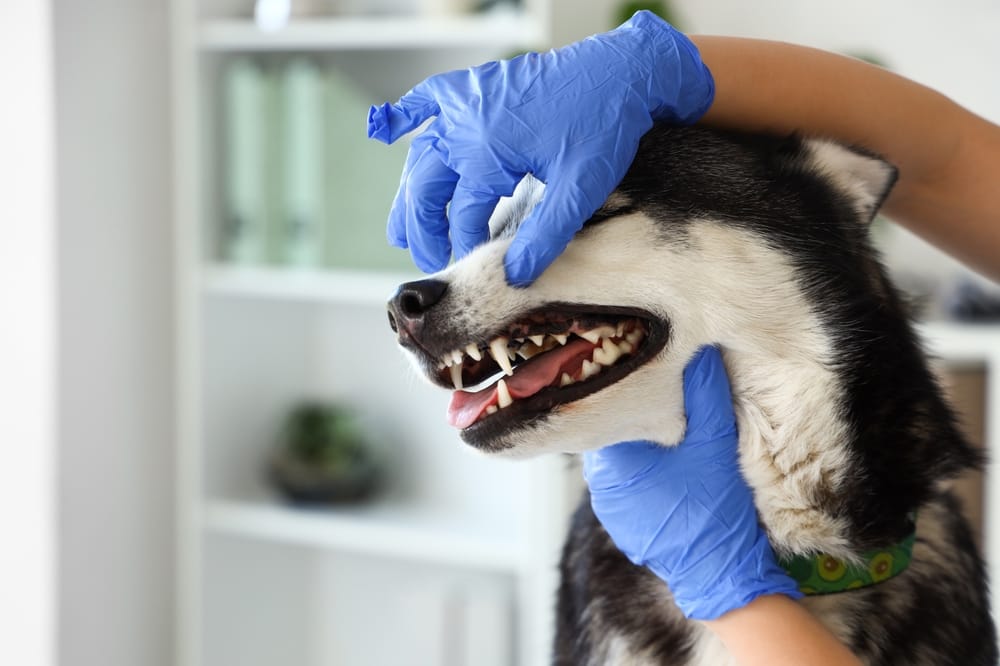
Gingivitis in dogs affects up to 80% of dogs by age 2, the MSD Veterinary Manual reports. Most pet owners miss the early signs behind ordinary bad breath. This gum inflammation marks the only reversible stage of periodontal disease.
Once bacteria damage bone and ligaments below the gumline, destruction becomes permanent. No amount of brushing or cleaning can undo that kind of damage. The window for full recovery closes faster than most owners realize.
Catching the warning signs early changes everything. A treatable gum problem stays treatable only if you act in time. Here are seven red flags and what to do before permanent damage sets in.
Key Takeaways
- Gum disease stays reversible only while inflammation remains in the soft tissue before reaching bone
- Seven warning signs include bad breath, red gums, tartar, bleeding, drooling, face pawing, and food avoidance
- Professional cleaning with ultrasonic scaling and daily brushing prevent lasting damage
- Untreated oral bacteria enter the bloodstream and harm the heart, kidneys, and liver
- Proper brushing technique, dental chews, and routine vet exams keep gums healthy at home
Recognizing the Difference Between Plaque and Tartar
Bacterial plaque causes gum disease, not the crusty tartar most owners spot first. The Cornell University College of Veterinary Medicine describes plaque as an invisible bacterial slime. It coats teeth within hours of eating. This sticky biofilm holds millions of bacteria that release toxins straight into gum tissue.
Within 24 to 72 hours, undisturbed plaque hardens into tartar. Mineral deposits from saliva drive this process. Tartar shows up as yellow, brown, or gray crusts along the gumline.
While tartar looks alarming, the plaque underneath drives the real damage. Bacterial toxins trigger an immune response. That response creates the redness, swelling, and tenderness that define this condition.
Early plaque contains oxygen-dependent bacteria that feed on sugars and proteins. As plaque thickens, oxygen-free bacteria take over. These deeper organisms produce more harmful enzymes that actively break down gum tissue.
Dogs develop the earliest signs around back molars and large canine teeth. These areas collect the most food debris and get less natural cleaning from the tongue. Small breeds often show problems along front teeth first because crowded spacing traps bacteria more easily.
Your dog’s saliva offers some natural protection through enzymes that fight bacteria. Saliva cannot reach plaque below the gumline where oxygen levels drop. That creates perfect conditions for harmful bacteria to multiply unchecked.
Seven Warning Signs That Demand Immediate Attention
Spotting these signs early makes the difference between a simple cleaning and costly surgery. Here are seven red flags every dog owner should watch for.
- Persistent Bad Breath
Healthy dogs have mild breath odors from food and mouth bacteria. Gum disease creates a sharp, sour smell from sulfur compounds. This odor grows stronger through the day and won’t improve after drinking water.
- Red or Swollen Gums
Healthy gums look pink and lie flat with a firm texture. Inflammation turns them bright red or purple. A thin red line along the tooth edge is the earliest visible sign.
- Visible Tartar Buildup
Yellow to dark brown crusty deposits form along the gumline. Heavy buildup means bacteria have been active underneath for weeks or months. Thick deposits covering large areas of teeth signal long-term neglect.
- Bleeding Gums
Pink-tinged water in the bowl or blood spots on chew toys suggest fragile tissue. Occasional light bleeding may respond to better brushing habits. Daily bleeding from gentle mouth handling needs professional treatment.
- Excessive Drooling
Extra saliva production happens as the body tries to flush bacterial toxins. The Cornell University College of Veterinary Medicine identifies drooling as a sign of advanced dental disease. This drooling continues all day and may appear thick or contain traces of blood.
- Face Pawing
Dogs paw at their mouths or rub their muzzle against furniture for relief. This behavior gets worse after meals. Chewing on already-sensitive tissue aggravates the discomfort.
- Difficulty Chewing or Food Avoidance
Dropping kibble, chewing on one side, or refusing hard treats all suggest mouth pain. Dogs typically hide discomfort until it becomes severe. This sign often appears last in the progression.
Bad breath arrives within days of plaque buildup. Gum color changes develop over the following weeks. Eating changes appear last as discomfort becomes hard to ignore. Senior dogs and small breeds progress through these stages faster.
The Hidden Health Consequences of Delayed Treatment
Oral bacteria from untreated gum disease don’t stay in the mouth. They enter the bloodstream through weakened gum tissue and travel to major organs. The Cornell University College of Veterinary Medicine confirms these bacteria have been linked to liver and heart disease in dogs.
Heart valves provide surfaces where bacteria attach and multiply. Bacterial endocarditis can develop and interfere with normal heart function. Kidneys also suffer as their filtering units accumulate toxins over time. Progressive kidney damage may not show symptoms until significant function is lost.
Pain management grows harder as the condition advances. Chronic mouth discomfort affects appetite, mood, and daily behavior. Many dogs become withdrawn or show increased anxiety.
Tooth loss becomes unavoidable once inflammation reaches supporting bone. No treatment can reverse this stage of damage. Dogs may lose multiple teeth and require permanent dietary changes.
The financial toll adds up quickly. Simple cleanings for early gum problems cost a fraction of advanced procedures. Emergency dental procedures often require multiple rounds of anesthesia and complex surgical work. Acting early saves both money and your dog’s quality of life.
Stopping Gingivitis Before Permanent Damage Occurs
Professional dental cleaning is the only way to remove established plaque fully. The process uses ultrasonic scaling equipment to shatter bacterial biofilms. Continuous irrigation flushes bacteria from every surface, including below the gumline.
Dental X-rays taken during cleaning reveal hidden problems. These images show bone loss around roots, fractures, and pocket depth. They help determine whether gum inflammation has progressed to irreversible disease.
Pre-anesthetic blood testing checks kidney function, liver enzymes, and blood cell counts before the procedure. Results identify health risks that could complicate anesthesia. Dogs with existing conditions may need adjusted protocols.
Daily brushing maintains results between professional cleanings. Hold the brush at a 45-degree angle against the gumline. Use gentle circular motions with pet-safe enzymatic toothpaste. These formulas keep working for hours after you finish.
Start slowly by letting your dog taste the paste from your finger. Introduce a soft brush over several days. Praise and treats build positive associations with the routine.
Dental chews carrying the Veterinary Oral Health Council seal offer supplemental plaque control. Water additives help reduce bacteria between brushings. Neither option replaces mechanical cleaning from a toothbrush.
Regular dental examinations catch problems before they become irreversible. The MSD Veterinary Manual notes that removal of bacterial plaque can reverse gingivitis, returning gums to a healthy state. The timing of your response decides whether full recovery is possible.
Professional Dental Care Options and Treatment Approaches
Anesthesia-free dental cleaning has grown popular, but it only removes surface tartar. It cannot reach plaque below the gumline where gum disease actually develops. Most veterinary dental specialists consider these cleanings cosmetic, not therapeutic.
General anesthesia allows full access to every tooth surface. Modern monitoring tracks heart rate, blood pressure, and oxygen in real time. Current protocols have made anesthetic procedures much safer.
Full-mouth X-rays during the procedure capture images of every root and surrounding bone. Digital radiography reveals subtle density changes that signal early bone loss.
Dental charting documents every tooth and gum area during the procedure. This record tracks changes over time and guides future treatment planning.
Periodontal pocket measurements use a probe to check the space between tooth and gum. Healthy dogs measure 1 to 3 millimeters. Anything deeper than 4 millimeters signals bone loss has already started.
Home Care Strategies That Actually Work
Brushing technique matters more than frequency for preventing gum disease after professional cleaning. Focus bristles at a 45-degree angle right where plaque builds heaviest. Gentle circular motions clean effectively without damaging tender gum tissue.
Enzymatic toothpaste keeps working long after you put the brush down. Some formulas contain lactoferrin to starve bacteria of iron. Others use glucose oxidase to kill anaerobic bacteria with hydrogen peroxide.
Choose dental chews with the Veterinary Oral Health Council seal of approval. The right texture provides mechanical cleaning without fracturing teeth. Always size the chew for your dog.
Dry kibble offers slightly more cleaning action than soft food. Dental-specific diets use larger kibble with a fibrous texture to scrape plaque. Even these cannot reach bacteria below the gumline.
Watch for pinker gums, fresher breath, and less buildup between cleanings. These improvements typically show within two to four weeks of consistent daily care.
Act Before Gingivitis in Dogs Becomes Permanent
Gingivitis in dogs creates a narrow window for complete reversal. The seven warning signs give clear signals to act fast, from persistent bad breath to changes in eating habits. Professional cleaning paired with daily brushing restores healthy gums and stops the slide toward costly periodontal disease.
Left unchecked, oral bacteria travel to the heart, kidneys, and liver. They threaten far more than your dog’s smile. Early action during this reversible stage protects your dog’s mouth and entire body from chronic bacterial damage.
If you’ve spotted any of these warning signs, don’t wait for them to worsen. A dental evaluation puts your dog on the path to healthier gums and a better quality of life. Schedule a dental evaluation today.
FAQs
How to treat gingivitis in dogs?
Professional dental cleaning under anesthesia is the primary treatment. Your vet uses ultrasonic scaling to remove plaque and tartar above and below the gumline. At home, daily brushing with pet-safe enzymatic toothpaste prevents recurrence. Dental chews with the Veterinary Oral Health Council seal provide additional support between professional visits.
What causes gingivitis in dogs?
Bacterial plaque causes gingivitis. Plaque forms as a sticky biofilm on tooth surfaces within hours of eating. When plaque isn’t removed daily, it hardens into tartar within 72 hours. The bacteria in this buildup release toxins that trigger an immune response in gum tissue, producing the redness and swelling of gingivitis.
How quickly does gingivitis progress to periodontal disease in dogs?
Without treatment, gum inflammation can advance to irreversible periodontal disease within three to six months. The timeline depends on your dog’s age, breed size, and immune health. Small breeds and senior pets typically progress faster. Catching the problem before bone involvement starts gives you the best outcome.
What dental chews actually help prevent gingivitis?
Look for chews carrying the Veterinary Oral Health Council seal. These products pass controlled studies proving they reduce plaque buildup. Choose the right size for your dog and a texture firm enough to scrub teeth. Avoid anything too hard that could crack or fracture a tooth.
How often should dogs receive professional dental cleanings?
Most dogs benefit from professional cleanings every one to three years. Dogs with gum disease history or at-risk breeds may need annual visits. Our vet will recommend a specific schedule based on your dog’s oral health, age, breed, and how well home care is working.
Sources
- An invisible bacterial slime, Cornell University College of Veterinary Medicine
- Drooling, Cornell University College of Veterinary Medicine
- Up to 80% of dogs by age 2, MSD Veterinary Manual
- Linked to liver and heart disease, Cornell University College of Veterinary Medicine
- Can reverse gingivitis, MSD Veterinary Manual
